
Why Human-Grade Treats Cost More
Table of Contents
- What Human-Grade Means for Dog Treats
- Human-Grade vs. Regular Dog Treats: Where the Price Gap Starts
- The Real Costs Behind Human-Grade Production
- How to Read Dog Treat Labels and Verify Claims
- Are Human-Grade Dog Treats Worth It?
- Finding Affordable Healthy Dog Treats Without Compromise
- Conclusion
- Frequently Asked Questions
Last Updated: October 16, 2026
What Human-Grade Means for Dog Treats
Human-grade treats are dog treats made from ingredients fit for human consumption, meeting the same food safety standards as products sold for people. That distinction changes how ingredients are sourced, handled, and tested.
At Dog Mamma's, we craft treats using only human-grade, USDA Organic Certified ingredients. We source whole foods like organic bananas, blueberries, and sweet potatoes.

The label "human-grade" isn't just marketing, it's a regulatory claim.
Human-Grade vs. Regular Dog Treats: Where the Price Gap Starts
The price gap between human-grade and regular dog treats often shocks pet parents: understanding why human-grade treats cost more requires looking at sourcing, manufacturing, and testing.
Regular dog treats use ingredients rejected by human food standards, so they cost less, lower quality, different supply chains, and no equivalent testing or certification.
Processing differs too: conventional treats use cheaper, faster manufacturing, while human-grade production demands careful handling to prevent contamination.
The Real Costs Behind Human-Grade Production
Saying human-grade treats cost more because of "quality" isn't an explanation. Here's where the money actually goes.
Ingredient Sourcing and Quality
Human-grade ingredients come from the same supply pool as food sold for people, fewer sellers, stricter contracts, and higher rejection rates than the pool feeding conventional pet treats.
- Organic whole foods cost more at the farm gate. Organic growers typically face lower yields per acre and higher labor costs than conventional growers, and they cannot lean on synthetic pesticides or fertilizers to protect a harvest (Despite Profit Potential, Organic Field Crop Acreage Remains Low). Those economics show up in the invoice.
- Specification testing is paid by the buyer. A human-food supplier will test incoming lots for pathogens, heavy metals, pesticide residues, and mycotoxins, and pass that cost along. A pet-treat buyer sourcing from the same supplier absorbs it.
- Rejection is a real line item. When a lot fails a pathogen or residue screen, it is not sold at a discount, it is destroyed or diverted. That loss is priced into every accepted lot.
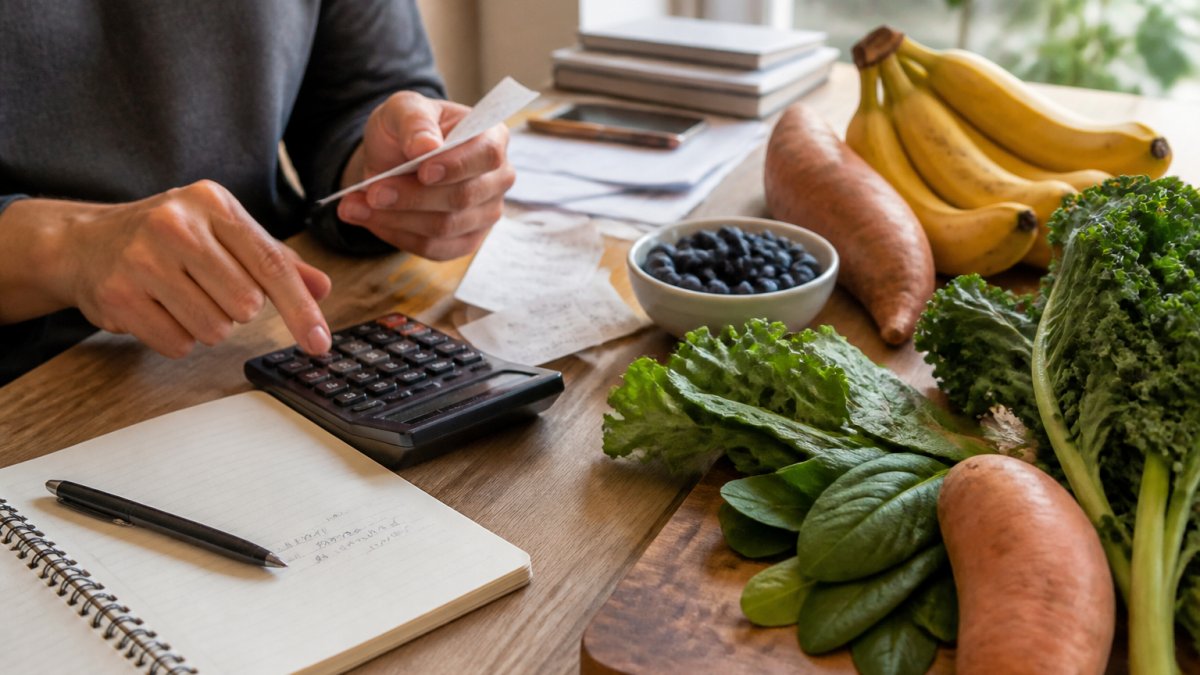
When Dog Mamma's sources organic blueberries for our Berry Banana Coconut Recipe, we work with certified organic farms, verify their practices, and test incoming shipments.
Manufacturing and Handling Standards
A human-grade claim isn't a marketing adjective, it's a statement about where and how the product was made, with physical requirements attached.
- Facility separation. Human-grade production has to run in a facility that meets human-food standards.
- HACCP-style controls. Hazard analysis and critical control point plans, sanitation standard operating procedures, and environmental monitoring programs are baseline, not optional. Each one requires documentation, training, and periodic audit.
- Batch size economics. Large conventional plants run continuous or very large batch production, which spreads fixed costs across enormous volume. Human-grade producers often run smaller batches to preserve ingredient integrity and traceability. Smaller batches mean more changeovers, more cleaning cycles, and more labor per pound.
- Cold chain and shelf-life trade-offs. Human-grade treats frequently avoid heavy synthetic preservatives, which shortens shelf life and demands tighter temperature and humidity control in storage and shipping.
At Dog Mamma's we hand-craft treats in small batches, which maintains quality but costs more per unit, one reason a human-grade bag doesn't scale down the way a conventional bag does.
Certification and Testing
Certification is a recurring expense, not a one-time fee.
- USDA Organic Certification requires an accredited certifier, an organic system plan, annual on-site inspection, and ongoing recordkeeping. Costs scale with the size and complexity of the operation, and the certification must be maintained every year.
- Third-party pathogen and contaminant testing is typically run per lot or per production run. Common panels screen for Salmonella, Listeria, E. coli, heavy metals such as lead and cadmium, and in some cases mycotoxins. Each panel has a per-sample cost, and the number of samples scales with production volume.
- Liability and recall insurance is priced against the risk profile of the product. A manufacturer whose product is held to human-food standards carries a different exposure than one whose product is not.
Human-grade pricing is not a single premium, it is the sum of stricter sourcing, segregated facilities, smaller batches, recurring certification, and per-lot testing. Remove any one of those and the product stops being human-grade.
What the Label Does and Does Not Guarantee
A human-grade claim tells you the product was made to human-food standards. It does not automatically tell you:
- That the recipe is nutritionally complete or balanced for your dog's life stage.
- That the treat is appropriate for every dog, including those with specific medical conditions.
- That the ingredients were sourced domestically, or from any particular farm.
- That the product is organic, human-grade and USDA Organic are separate claims.
How to Read Dog Treat Labels and Verify Claims
Reading treat labels matters. "Natural" doesn't mean organic, "premium" has no legal definition, and "wholesome" is marketing speak.
Look for specific certifications:
- USDA Organic seal means independent verification
- Third-party testing claims should list the testing organization
- Ingredient sourcing transparency is a good sign
Ask manufacturers direct questions: Where do ingredients come from? What testing happens? Can they provide documentation?
Check the ingredient list: real ingredients appear first, and you should recognize most of them.
Dog Mamma's Organic Peanut Butter Banana Recipe - USDA Organic Certified Dog →
Look for allergen information. Our Sweet Potato & Kale Recipe is designed for dogs with digestive sensitivities.

Are Human-Grade Dog Treats Worth It?
This depends on your dog's needs and your budget. Dogs with allergies or sensitivities often thrive on human-grade treats, fewer additives mean fewer triggers, and if your dog has a sensitive stomach, that may be worth the extra cost. Dogs with healthy digestion can do fine on conventional treats. Consider how often you use treats: occasional rewards keep the cost impact small, while daily staples add up.

| Consideration | Human-Grade Treats | Regular Treats |
|---|---|---|
| Ingredient quality | Certified organic, human-food standards | Lower standards, potential by-products |
| Testing & certification | Third-party verified | Often unverified |
| Best for | Dogs with sensitivities, premium nutrition | Budget-conscious owners, healthy dogs |
| Monthly cost | Higher per unit | Lower per unit |
| Peace of mind | High transparency | Limited information |
Finding Affordable Healthy Dog Treats Without Compromise
Most articles tell you to "buy in bulk" and "use smaller portions" and stop there. That advice is incomplete. The real lever is comparing treats on a consistent basis and knowing what you are actually paying for.
Compare Cost per Calorie, Not Cost per Bag
Package price is the worst possible comparison. A 4-ounce bag at $9 and a 12-ounce bag at $22 look very different until you do the math.
- Find the guaranteed analysis on the label. It lists calories per treat or per kilogram (often shown as kcal/kg or kcal/treat).
- Convert to calories per ounce if the label gives kcal/kg: divide kcal/kg by 35.27 to get kcal per ounce.
- Divide the package price by total calories in the bag. That gives you cost per 100 kcal, a number you can compare across brands, formats, and package sizes.
A worked example: a 6-ounce bag at $15 with 3,500 kcal/kg works out to roughly 99 kcal per ounce, or about 594 kcal in the bag, roughly $2.53 per 100 kcal. A 12-ounce bag of a different treat at $24 with 3,000 kcal/kg works out to about 85 kcal per ounce, or 1,020 kcal in the bag, about $2.35 per 100 kcal.
Compare Cost per Feeding Occasion
Dogs do not eat ounces. They eat treats. A dense, calorie-rich treat may be split into two or three rewards; a light, airy treat may be one bite.
- Estimate treats per bag by dividing total calories in the bag by the calories in a typical serving for your dog.
- Divide package price by treats per bag to get cost per reward.
- Multiply by the number of rewards you give per day to get a realistic monthly figure.
A treat costing $0.40 per reward but given twice a day costs about $24 per month. A treat costing $0.15 per reward but given ten times a day during training costs about $45 per month.
If you use treats heavily for training, weigh out a day's worth in the morning. It makes the cost visible and prevents overfeeding at the same time.
Practical Ways to Manage the Cost
- Break treats into smaller pieces. Most dogs respond to the reward, not the volume. A treat snapped into quarters stretches a bag four times as far.
- Reserve human-grade treats for high-value moments. Training, veterinary visits, nail trims, and recall practice are where a high-value treat earns its price. Casual snacking can use a simpler format.
- Rotate proteins and formats. Variety prevents boredom and lets you take advantage of whichever size or recipe is currently the better unit price.
- Buy the size that matches your usage rate. A large bag of a treat your dog eats slowly can go stale before it's finished, a hidden cost.
How to Verify a Human-Grade Claim
Price only means something if the claim behind it is real. Use this checklist before paying a premium.
- Look for the specific term "human-grade" on the package, not "human-grade quality," "human-grade inspired," or similar hedges. The unqualified term is the one with meaning.
- Check for a named certifier. USDA Organic Certification is verifiable through the USDA Organic Integrity Database. If a brand claims third-party testing, the testing organization should be named.
- Ask where the product is made. A human-grade claim requires a facility that meets human-food standards. The manufacturer should be able to name it.
- Ask what is tested and how often. Per-lot pathogen testing and periodic heavy-metal testing are reasonable answers. "We trust our suppliers" is not.
A higher price does not automatically mean a healthier treat. Human-grade describes how a product was made, not whether it is nutritionally appropriate for your individual dog. Dogs with kidney disease, pancreatitis, diabetes, or food allergies need a treat choice made with their veterinarian, regardless of price.
The Value Question, Answered Honestly
Human-grade treats are worth the premium when the quality difference solves a problem you actually have, a sensitive stomach, a known allergen, a dog who refuses conventional treats, or a training program needing a reliably high-value reward. They're harder to justify when your dog does well on a conventional treat and you're buying the label rather than the outcome. You're paying for a stricter supply chain, a segregated facility, recurring certification, and per-lot testing, whether that's worth the difference is a decision only you and your veterinarian can make.
Conclusion
The cost of human-grade dog treats reflects real differences in sourcing, manufacturing, and safety standards. For dogs with sensitivities or allergies, human-grade treats often solve real problems. Dog Mamma's USDA Organic Certified treats are designed exactly for this purpose, with recipes like our Organic Sweet Potato & Kale Recipe formulated to support digestive wellness.
If your dog struggles with conventional treats, shop Dog Mamma's human-grade treats and see the difference transparent sourcing and certified organic ingredients make. Every treat supports your dog's long-term wellness while backing sustainable, ethical farming practices.
Frequently Asked Questions
What makes a dog treat truly human-grade?
Human-grade dog treats are made from ingredients fit for human consumption and processed in facilities meeting human food safety standards. This means no by-products, meat meals, or artificial additives. Look for USDA Organic certification, third-party testing, and transparent ingredient sourcing. Dog Mamma's treats, for example, use whole organic ingredients like bananas, blueberries, and sweet potatoes, the same quality you'd find in your own kitchen.
Are human-grade dog treats worth the extra cost?
Whether human-grade treats justify their higher price depends on your dog's needs and your budget. Dogs with food sensitivities or allergies often benefit from the cleaner ingredient profile and absence of fillers. Human-grade treats typically contain fewer artificial additives and higher-quality whole foods, which can support better digestion and coat health. For active dogs or those in canine sports, the nutritional density and absence of low-quality fillers may improve performance and recovery.
How can I tell if dog treats are actually human-grade?
Check for USDA Organic certification, third-party testing seals, and transparent ingredient lists. Avoid vague terms like 'natural' or 'premium', these aren't regulated. Visit the company's website to verify sourcing practices and manufacturing facility standards. Reputable brands like Dog Mamma's display certifications prominently and provide detailed sourcing information.
What's the cost difference between human-grade and conventional dog treats?
Human-grade treats typically cost 2-3 times more than conventional alternatives due to ingredient quality, sourcing, and manufacturing standards. Dog Mamma's organic treats are priced at $10.49 for a 6 oz bag, reflecting the cost of USDA Organic certification, small-batch production, and pesticide-free ingredients. The price reflects the entire supply chain, not just the raw ingredients.