

Best Dog Treats for Sensitive Stomachs
Table of Contents
- What Makes a Dog Treat Suitable for a Sensitive Stomach
- Quick Comparison Table
- Limited Ingredient Dog Treats That Reduce Digestive Upset
- Hypoallergenic Dog Treats for Dogs with Food Sensitivities
- Training Treats for Puppies with Sensitive Stomachs
- Homemade Dog Treats for Sensitive Stomachs
- How to Introduce New Treats and Track Your Dog's Response
- Ingredients to Avoid and Warning Signs of Digestive Issues
- Frequently Asked Questions
Last Updated: October 11, 2026
What Makes a Dog Treat Suitable for a Sensitive Stomach
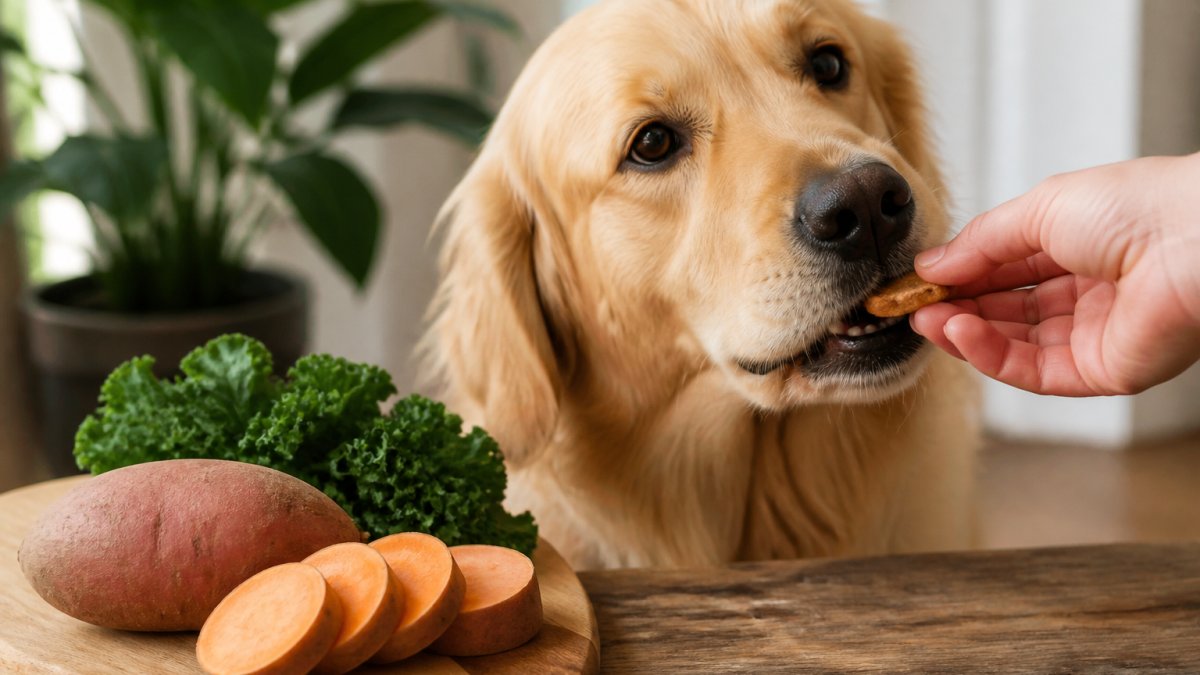
The best dog treats for sensitive stomachs contain limited ingredients, rely on easily digestible proteins, and exclude artificial additives, preservatives, and fillers that inflame the gut.
Dogs with sensitive stomachs need treats with minimal processing, no artificial colors or chemical preservatives, and proteins that don't irritate their digestive tract.
Quick Comparison Table
| Dog Mamma's Recipe | Key Ingredients | Best For | Price |
|---|---|---|---|
| Sweet Potato & Kale | Organic sweet potato, organic kale | Daily treats, digestive support | $10.49 |
| Peanut Butter Banana | Organic peanut butter, organic bananas | Training rewards, protein boost | $10.49 |
| Berry Banana Coconut | Organic blueberries, bananas, coconut | Antioxidant boost, everyday snacks | $10.49 |
| Apple Cranberry | Organic apples, cranberries, cinnamon | Tart flavor variety, daily rotation | $10.49 |
Limited Ingredient Dog Treats That Reduce Digestive Upset
Limited ingredient treats contain fewer components, reducing potential allergens and irritants that trigger digestive upset.

Dog Mamma's Organic Sweet Potato & Kale Recipe contains whole food ingredients that pack nutrition without overwhelming the digestive tract. The organic sweet potato provides easily digestible carbohydrates, while organic kale delivers superfoods without fillers or additives. At $10.49 per 6 oz bag, they're formulated specifically for dogs whose stomachs rebel against conventional treats.
Single-ingredient treats eliminate guesswork, though many dogs thrive on thoughtfully combined limited-ingredient options that provide variety without excess.
Hypoallergenic Dog Treats for Dogs with Food Sensitivities
Hypoallergenic dog treats avoid proteins and ingredients most likely to trigger immune responses. For many dogs, chicken and beef are common allergens; plant-based treats sidestep this issue entirely.
The Berry Banana Coconut Recipe combines antioxidant-rich organic blueberries, bananas, and coconut to create a nutrient-dense treat that avoids common allergens.

When selecting hypoallergenic treats, look for USDA Organic Certification, which ensures ingredients were grown without synthetic pesticides or GMOs that can exacerbate food sensitivities.
Training Treats for Puppies with Sensitive Stomachs
Puppies with sensitive stomachs need small, easily digestible training treats free from artificial additives, as their developing digestive systems are vulnerable to upset.
Dog Mamma's organic treats work well for puppy training because they're nutrient-dense, a small piece provides satisfying reward value without overfeeding.
Introduce treats gradually, starting with tiny pieces and observing your puppy's response over 3-5 days to identify which ingredients your puppy tolerates best.
Calculating Puppy Treat Portions and Daily Calorie Limits
Treats should comprise no more than 10% of your puppy's daily calorie intake; exceeding this can disrupt nutrient balance and cause digestive upset.
Step 1: Determine your puppy's daily calorie needs.
Puppy calorie requirements vary by age, breed size, and activity level:
- Small breed puppies (5-15 lbs adult weight): 400-600 calories per day
- Medium breed puppies (15-50 lbs adult weight): 600-1,200 calories per day
- Large breed puppies (50+ lbs adult weight): 1,200-2,000 calories per day
Consult your veterinarian for breed-specific guidance.
Step 2: Calculate the 10% treat allowance.
Multiply your puppy's daily calorie needs by 0.10. For example:
- A medium breed puppy requiring 900 calories per day can have up to 90 calories from treats (900 × 0.10 = 90)
- A large breed puppy requiring 1,500 calories per day can have up to 150 calories from treats (1,500 × 0.10 = 150)
Step 3: Check treat calorie content and portion size.
Dog Mamma's organic treats contain approximately 8-12 calories per small piece. A medium breed puppy with a 90-calorie daily treat budget can have roughly 7-11 small pieces per day, distributed across training sessions.
Step 4: Adjust for training intensity.
Divide your puppy's daily treat allowance across multiple short sessions. For example, a 90-calorie budget could be: morning session (3 treats, 24-36 calories), midday session (2 treats, 16-24 calories), evening session (3 treats, 24-36 calories).
Choosing Treat Textures and Sizes for Puppy Training
Small, soft treats are ideal for puppies because they're easy to consume quickly and less likely to cause choking. Crunchy treats work for older puppies but may be too hard for very young puppies (under 12 weeks).
Rotating between Dog Mamma's recipes keeps puppies engaged while ensuring they experience different nutrients within safe digestive parameters.
Monitoring Growth and Adjusting Treat Portions
Reassess treat portions every 4-6 weeks as your puppy grows. A puppy requiring 600 calories at 8 weeks may need 1,000 calories at 16 weeks; adjust the 10% treat allowance accordingly.
Keep a log of treats given and your puppy's weight gain. If your puppy is gaining weight too quickly, reduce treat portions and consult your veterinarian.
Dog Mamma's Organic Sweet Potato & Kale Recipe - USDA Organic Certified Dog →
Homemade Dog Treats for Sensitive Stomachs
Homemade dog treats give you complete control over every ingredient, eliminating uncertainty about sourcing, processing, and hidden additives.
Simple recipes work best, for example, mashed sweet potato, organic peanut butter, and whole wheat flour baked into small bites. The key is using ingredients you recognize and trust.
Consult your veterinarian about which ingredients are safe for your dog's specific sensitivities before starting a homemade treat routine.
Dogs with multiple known allergens or owners who want complete ingredient transparency. Homemade treats work best for dogs whose sensitivities are well-documented and narrow.
How to Introduce New Treats and Track Your Dog's Response
Introducing new treats for sensitive stomachs requires patience and careful observation. A sudden switch to unfamiliar treats can trigger digestive upset even if the new treat is higher quality.
Start by mixing a small amount of the new treat with your dog's regular treats for 3-5 days. Observe stool quality, energy level, and appetite.
Keep a simple log of which treats you've introduced and your dog's response. Note any changes in digestion, energy, coat quality, or behavior.
| Timeline | Action | What to Monitor |
|---|---|---|
| Days 1-3 | Mix 25% new treat with 75% current treats | Normal digestion, appetite, energy |
| Days 4-7 | Increase to 50% new treat, 50% current | Stool consistency, any vomiting |
| Days 8-10 | Move to 75% new treat, 25% current | Overall wellness, coat condition |
| Day 11+ | Full transition to new treat | Sustained digestive health |
Watch for delayed reactions. Some digestive sensitivities take 48-72 hours to manifest.
Ingredients to Avoid and Warning Signs of Digestive Issues
Certain ingredients consistently trigger digestive upset in sensitive dogs. Corn, soy, wheat, and artificial preservatives top the list of culprits.
Artificial colors and flavors serve no nutritional purpose and often irritate the gut lining. Chemical preservatives like BHA, BHT, and ethoxyquin have been linked to digestive inflammation in sensitive dogs.
By-products and meat meals are harder to digest than whole proteins. When a label lists "chicken meal" instead of "chicken," you're getting a processed, concentrated form that can overwhelm sensitive digestive systems.
Distinguishing Sensitivity from Medical Conditions
Not all digestive upset after treats signals a food sensitivity. It's crucial to differentiate between mild sensitivity (manageable with ingredient changes) and underlying health conditions that require veterinary diagnosis.
Mild sensitivity symptoms typically appear 12-24 hours after eating a problematic treat and resolve within 24-48 hours once the treat is removed.
Warning signs requiring immediate or urgent veterinary care include:
- Vomiting or retching that persists for more than a few hours or occurs repeatedly within a day
- Diarrhea lasting more than 48 hours, especially if accompanied by blood or mucus
- Lethargy, loss of appetite, or refusal of regular meals
- Abdominal pain (whining, reluctance to move, hunched posture)
- Signs of dehydration (dry gums, sunken eyes, skin tenting)
- Difficulty defecating or straining
These symptoms may indicate pancreatitis, inflammatory bowel disease, food allergies (distinct from sensitivities), intestinal parasites, or other conditions requiring professional diagnosis and treatment. Treats cannot address these; they require veterinary intervention.
Recurring Sensitivity vs. Chronic Digestive Disease
If your dog experiences digestive upset after multiple treat changes, even when using limited-ingredient, organic, or homemade options, the issue may not be the treats themselves. Chronic diarrhea, vomiting, or poor stool quality across different foods suggests an underlying condition such as:
- Inflammatory Bowel Disease (IBD): Chronic inflammation of the digestive tract that requires prescription or therapeutic diets, not just treat adjustments
- Food allergies: Immune-mediated reactions (distinct from sensitivities) that may require an elimination diet prescribed by a veterinarian
- Exocrine pancreatic insufficiency (EPI): Reduced digestive enzyme production that affects how all food, including treats, is processed
- Dysbiosis: Imbalanced gut bacteria that may need probiotic or dietary intervention
If your dog fits this pattern, consult your veterinarian before introducing new treats. A vet can recommend diagnostic testing, prescribe an appropriate diet, and advise whether treats are suitable at all during treatment.
Safe Treat Introduction for Dogs with Known Sensitivities
Once you've identified specific ingredients your dog tolerates, introduce new treats cautiously. Watch for these signs during the 3-10 day introduction window:
- Normal stool consistency (firm, not loose or hard)
- Consistent appetite and energy levels
- No vomiting or retching
- No excessive gas or bloating
- Stable coat and skin condition
If any warning sign appears, discontinue the treat immediately and revert to a previously tolerated option. Wait at least 5-7 days before attempting a different treat, allowing your dog's digestive system to fully reset.
Frequently Asked Questions
What's the best meat for dogs with sensitive stomachs?
Lean, single-protein sources like chicken, turkey, or beef are typically easier to digest than multi-meat blends or processed meats. Plant-based proteins from organic sweet potatoes, peas, and beans can also work well if your dog tolerates them. The key is choosing treats with minimal ingredients and no fillers, artificial preservatives, or chemical additives that trigger digestive upset. Always introduce new protein sources gradually to monitor your dog's stool quality and overall response.
Are limited-ingredient treats better for dogs with sensitive stomachs?
Yes. Limited ingredient dog treats reduce the number of potential allergens and irritants your dog is exposed to, making it easier to identify which foods cause problems. These treats typically contain 3-5 core ingredients rather than 10+, avoiding unnecessary fillers, artificial colors, and preservatives. Many dogs with food sensitivities respond well to limited-ingredient formulas because they're less likely to trigger vomiting, diarrhea, or stool quality issues.
Can dogs with sensitive stomachs have training treats?
Yes, training treats for puppies with sensitive stomachs are possible when you choose small, easily digestible options made from single proteins or simple plant-based ingredients. Use them in moderation, as overfeeding treats during training sessions can overwhelm a sensitive digestive system. Break treats into smaller pieces to reduce portion size while maintaining reward value, and monitor your dog's digestion closely after introducing them into your training routine.
How should I introduce a new treat to a dog with a sensitive stomach?
Start with a very small amount and offer it once daily for 3-5 days while observing your dog's stool quality, energy level, and any signs of vomiting or digestive discomfort. If no issues appear, gradually increase the frequency over the next week. Keep a simple log noting the date, treat type, and any digestive changes. If your dog shows signs of upset, discontinue the treat immediately and wait 2-3 days before introducing a different option.
Which ingredients should dogs with sensitive stomachs avoid in treats?
Avoid artificial colors, chemical preservatives, fillers (corn, wheat, soy), by-products, and excessive fat. Common allergens include beef, dairy, chicken, and grains for some dogs. Check ingredient labels for terms like BHA, BHT, ethoxyquin, and artificial flavoring. Organic, USDA-certified treats without pesticides or GMOs reduce the risk of triggering digestive sensitivity. If your dog has known food allergies, verify every ingredient against your veterinarian's approved list.
Choosing the right dog treats for sensitive stomachs protects your dog's long-term wellness and daily comfort. Dog Mamma's Organic treats are USDA Organic Certified, plant-based, and crafted from whole food ingredients that support digestive health without compromise. Shop with us and give your dog treats that truly matter for their wellness journey.