
Safe Natural Treats for Dogs: What to Feed and Avoid
Last Updated: November 19, 2026
Quick Summary
Safe natural treats for dogs are made from recognizable, human-grade ingredients, free of artificial additives and preservatives, and portioned so they never exceed 10% of your dog's daily calories. Avoid toxic foods like chocolate, xylitol, grapes, raisins, onions, and macadamia nuts, and skip raw treats because of bacterial risk.
- Judge a treat by recognizable ingredients, calorie fit, and a real certification rather than front-of-bag wording.
- Ingredients are listed by descending weight, so the first three entries show what you are buying.
- USDA Organic certification is a stronger standard than the word natural alone.
- For homemade treats, combine one part binder, one part moisture, and one part flavor, then bake at 350°F for 20-25 minutes.
- A 25-pound dog with a 55-calorie treat budget gets roughly two to four small biscuits a day.
Table of Contents
- What Makes a Treat Safe and Natural
- Dog Treat Ingredient Safety: What to Avoid
- Human Foods Safe for Dogs as Treats
- Crunchy Organic Treats That Meet the Standard
- Safe Natural Treats for Dogs Homemade: A Simple Recipe Framework
- How Many Treats a Day and the 10% Calorie Rule
- Matching Treats to Allergies and Sensitive Digestion
- Choosing Your First Bag from Dog Mamma's
- Frequently Asked Questions
What Makes a Treat Safe and Natural
The U.S. market for pet treats and edible chews is worth $12.8 billion, according to Packaged Facts' Pet Treats and Chews in the US Report, and the natural dog treats segment alone is projected to grow at a 10.30% annual rate through 2030 (Mordor Intelligence's natural dog treats market analysis). That growth has filled shelves with bags labeled "natural," a word with loose legal meaning. At Dog Mamma's, we judge a treat by three questions: can you recognize every ingredient, does the calorie load fit the day, and is the safety claim backed by a certification rather than a marketing line.
A safe natural treat is one made from recognizable, human-grade ingredients, free of artificial additives and preservatives, and portioned so it never crowds out a complete diet. Simple in theory. Harder to verify on a bag.
Reading the Ingredient Panel
Start at the ingredient list, not the front of the bag. Ingredients appear in descending order by weight, so the first three entries tell you what you are actually buying. A treat whose lead ingredient is a named protein, fruit, or vegetable beats one built on fillers and additives. Watch for split ingredients (oats, oat bran, oat flour) used to scatter a single component down the list. For a deeper walkthrough of decoding panels, see our guide to clean label dog treat ingredients.
Dog Treat Ingredient Safety: What to Avoid
Certain ingredients have no place in a dog treat, natural label or not. UC Davis Veterinary Medicine's treat guidelines make the nutritional case clear, and the safety case is just as firm.
- Artificial preservatives and colors: BHA, BHT, and synthetic dyes add nothing your dog needs.
- Added fillers: corn syrup, propylene glycol, and unnamed "meat meal" signal cheap bulk.
- Toxic ingredients: chocolate, xylitol, grapes, raisins, onions, and macadamia nuts are dangerous in any amount.
- Raw treat caution: the CDC's guidance on raw pet food advises against feeding raw treats because of bacterial risk.
If your dog already has allergy symptoms, our organic treats guide for allergic dogs covers how to narrow the field further.
Human Foods Safe for Dogs as Treats
Plain, unseasoned human foods make some of the safest natural treats available. The catch is preparation, so keep them plain and unseasoned.
| Food | Serving Tip | Watch For |
|---|---|---|
| Plain cooked chicken | Small shredded pieces | No skin, bones, or seasoning |
| Carrot sticks | Raw or steamed | Cut small for toy breeds |
| Apple slices | No core or seeds | Seeds are unsafe |
| Plain pumpkin | One spoonful | Not pie filling |
| Blueberries | A few at a time | Introduce slowly |
These work well as training rewards because they are low-calorie and easy to portion. Keep the same 10% ceiling that applies to any treat.
Crunchy Organic Treats That Meet the Standard
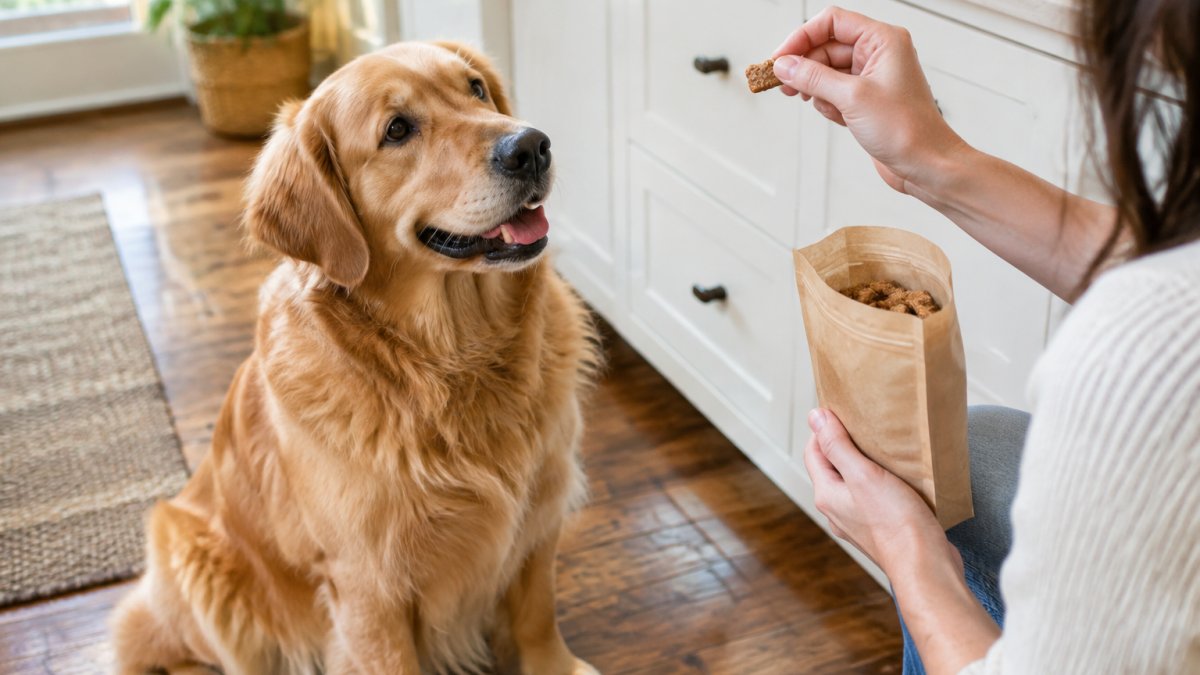
When you want a bag that clears every check at once, USDA Organic certification is the shortcut. USDA Organic certification is a stronger standard than "natural" alone. Our own line is built on that standard, small-batch and plant-based.
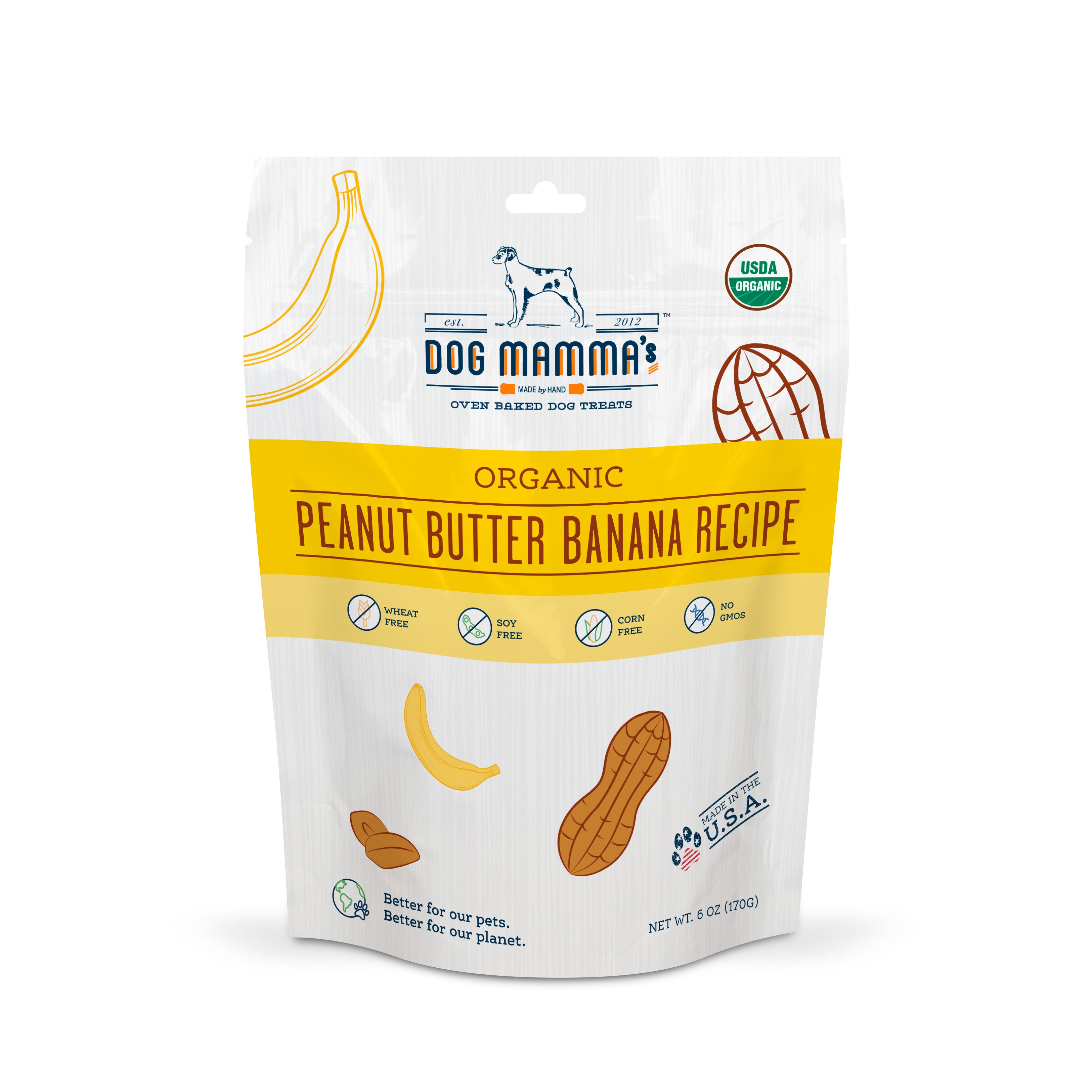
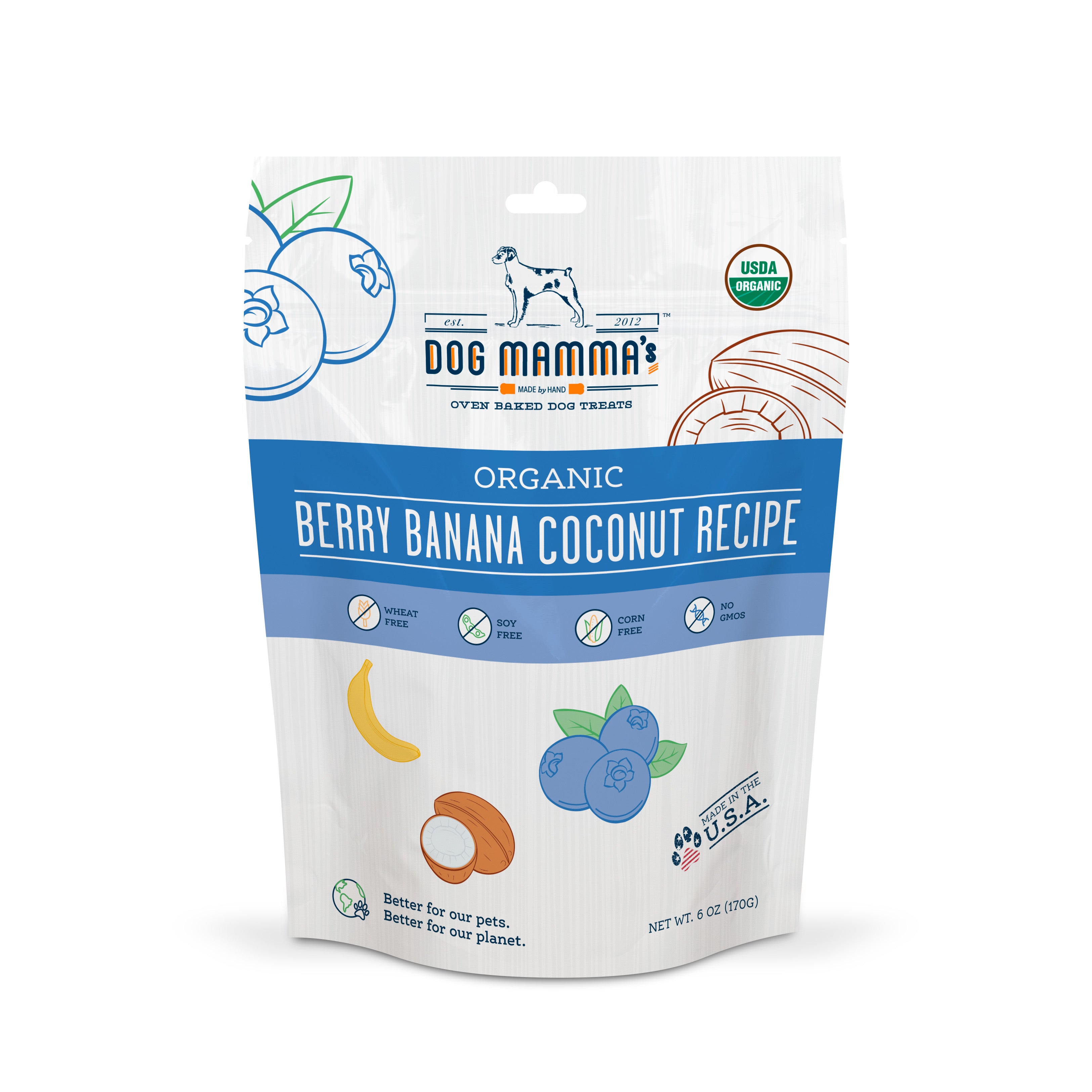
Peanut Butter Banana, Berry Banana Coconut, and Apple Cranberry
Three recipes, one standard. The Organic Peanut Butter Banana treats bake creamy organic peanut butter with sweet organic bananas into a crunchy bite. The Organic Berry Banana Coconut recipe leans on antioxidant-rich organic blueberries, banana, and coconut flakes with a dash of cinnamon. The Organic Apple Cranberry recipe pairs sweet apple with tart cranberry for a homemade apple pie taste. All three come in 6 oz bags at $10.49.
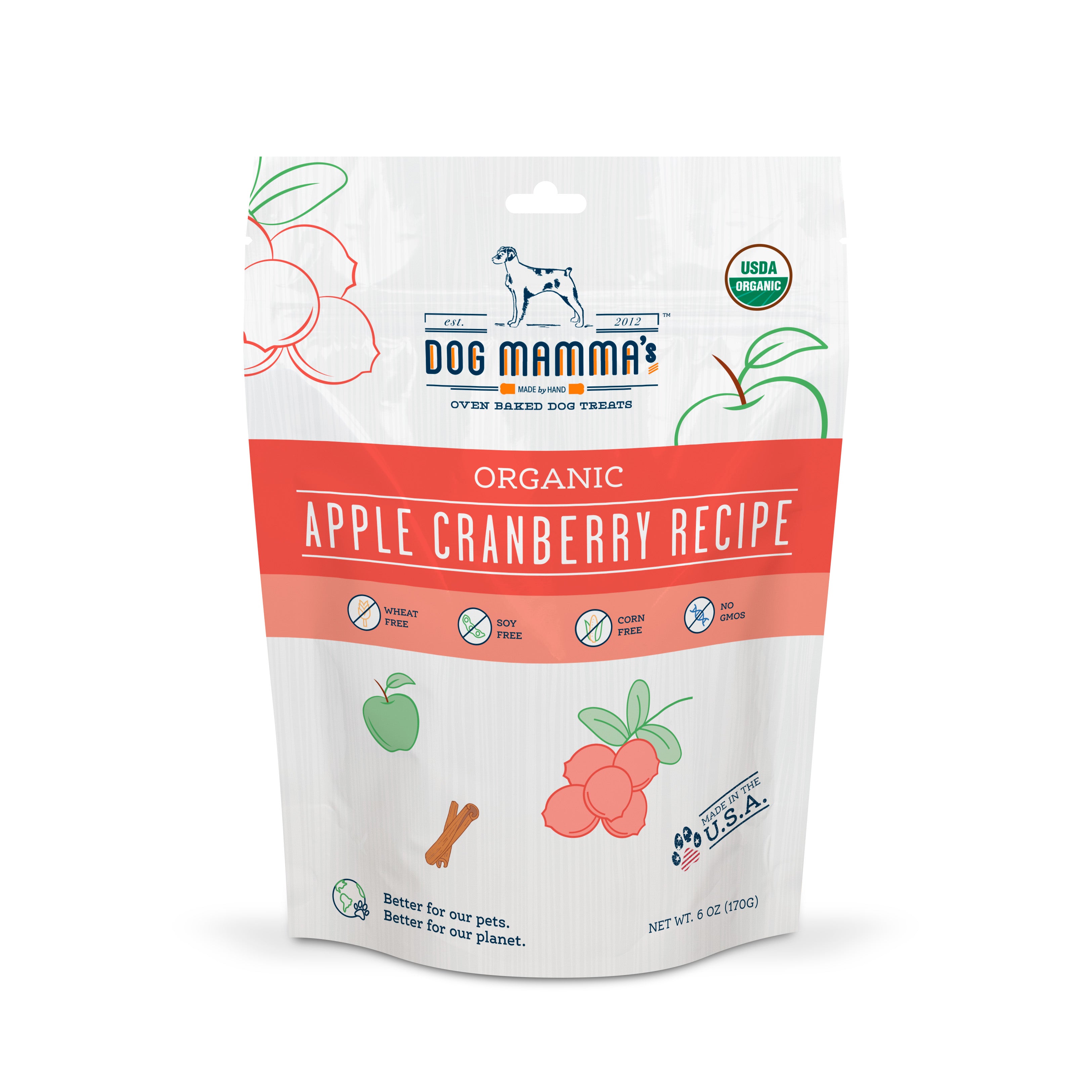
Best for: dogs on limited-ingredient or plant-based diets. Skip if: your vet has flagged a specific fruit or nut sensitivity.
Safe Natural Treats for Dogs Homemade: A Simple Recipe Framework
Making safe natural treats for dogs homemade comes down to a ratio, not a recipe. Use this framework and swap ingredients freely.
- 1 part binder: oat flour or mashed sweet potato
- 1 part moisture: plain pumpkin, unsweetened applesauce, or banana
- 1 part flavor: finely grated carrot, blueberry, or a dog-safe nut butter
- Optional crunch: a spoon of coconut flakes
Combine, roll into small pieces, and bake at 350°F for 20-25 minutes until firm. Cool fully before serving. Skip xylitol-sweetened nut butters entirely.
How Many Treats a Day and the 10% Calorie Rule
Treats should never exceed 10% of a dog's daily caloric intake, with 90% or more coming from a complete and balanced diet, per UC Davis Veterinary Medicine. The rule is simple; applying it is where most owners go wrong. Here is the framework.
Step 1: Estimate Daily Calories
Resting energy requirements are usually estimated from body weight and adjusted for activity and neuter status; your vet can provide an exact figure. A rough maintenance estimate is often expressed as calories per pound per day; your vet can refine it for your dog. These are starting points, not prescriptions, your vet can refine them for age, body condition, and activity.
| Dog weight | Rough daily calories | 10% treat budget |
|---|---|---|
| 10 lb | ~220 | ~22 calories |
| 25 lb | ~550 | ~55 calories |
| 50 lb | ~1,100 | ~110 calories |
| 75 lb | ~1,650 | ~165 calories |
Step 2: Convert the Budget Into Treats
Calorie counts vary widely between treat types, so check the package. For a 25-pound dog with a 55-calorie budget, that is roughly two to four small biscuits a day, or one chew, not both. Read the calorie statement on the package (most U.S. treats list kcal per treat or per ounce) rather than guessing from size.
Step 3: Protect the Meal
The treat budget comes out of the daily total, not on top of it. If training day means 55 calories of treats, that day's meals should total about 495 calories, not 550. A simple ratio to hold in your head: for every 10 treats of a given calorie count, remove the equivalent from the bowl. Owners who add treats without trimming meals are the ones who see gradual weight gain despite a "complete" diet.
Step 4: Adjust for Overweight Dogs
For dogs on a weight-loss plan, the treat ceiling often drops below 10%, a lower treat share is often advised during weight loss, with the rest of the calorie cut coming from the meal. Low-calorie swaps help: green beans, cucumber slices, and small carrot pieces deliver crunch at a fraction of the calories of a biscuit. Portion management matters more than the label for weight management.
Check the kcal number on the label rather than relying on front-of-pack wording.
Matching Treats to Allergies and Sensitive Digestion
A treat can be natural and still wrong for your dog. A practical approach is a protein-rotation and elimination framework you can run at home with your vet.
Start With the Protein, Not the Brand
Food allergies in dogs are often linked to animal proteins, and common culprits include chicken, beef, and dairy. That means the first filter on any bag is the named protein source, and, just as important, the absence of unnamed "meat meal," "poultry by-product," or "animal fat," which can hide the very protein you are trying to avoid. A treat labeled "salmon" that lists "fish meal" second is not a clean single-protein option.
Chicken-Free, Beef-Free, and Novel-Protein Options
Build your treat list around one protein your dog has never eaten or has eaten without reaction:
- Chicken-free: look for single-protein salmon, whitefish, venison, or duck treats with no chicken fat or chicken meal in the panel.
- Beef-free: bison, turkey, and rabbit are common substitutes; check that "beef flavor" or "beef broth" does not appear lower in the list.
- Novel-protein: venison, rabbit, alligator, and insect-based treats are increasingly available and are useful when common proteins are already ruled out. Research in Frontiers in Animal Science found insect-based treats offer a viable, high-nutritional-value option for hypoallergenic diets.
- Hydrolyzed-protein: veterinary hydrolyzed treats break proteins into fragments small enough that the immune system often does not recognize them; these are prescription and should be chosen with your vet.
Run a Real Elimination Trial
A common pattern is a 6-to-8-week elimination trial: feed a single novel protein (or hydrolyzed diet) and nothing else, no table scraps, no flavored chews, no shared treats between dogs in the household. Selecting a single-ingredient natural chew for dogs ensures that your elimination trial remains untainted by hidden additives or cross-reactive proteins.
Watch out: "grain-free" is not the same as "allergen-free." A grain-free treat built on chicken is still a chicken treat.
Sensitive Digestion and Gulpers
Dogs prone to gulping large pieces need smaller, slower-digesting bites, since NIH-published research on treat digestion warns that slowly digestible treats pose risks for dogs that swallow big chunks. For sensitive stomachs, keep treats single-ingredient where possible, introduce one new food at a time over several days, and note any reaction. Our organic treats guide for allergic dogs covers how to narrow the field further once you know your dog's trigger.
Choosing Your First Bag from Dog Mamma's
Start with the ingredient panel, confirm the certification, and match the recipe to your dog's sensitivities. That path leads to a small set of trustworthy bags rather than a wall of "natural" claims. Our crunchy organic treats are USDA Organic Certified, human-grade, plant-based, and made in small batches without pesticides or GMOs.
The hardest part of treat shopping is not finding options, it is trusting them. Dog Mamma's takes that burden off your shoulders with USDA Organic Certified recipes, human-grade plant-based ingredients, and small-batch production you can trace.
Frequently Asked Questions
What is the healthiest natural dog treat?
The healthiest option is a treat with a short, recognizable ingredient list and no artificial preservatives, fillers, or added sugar. Look for single-ingredient or simple recipes, and check for third-party certification such as USDA Organic. Crunchy baked treats made from whole foods like peanut butter, banana, or apple fit this profile. Whatever you choose, keep treats to a small share of your dog's daily calories, with most of the diet coming from a complete and balanced food.
What ingredients should I avoid in dog treat ingredient safety checks?
Skip treats listing artificial colors, artificial preservatives like BHA or BHT, propylene glycol, and vague fillers such as unnamed meat meal or corn syrup. Also avoid xylitol, which is toxic to dogs, and chocolate, grapes, raisins, onions, and macadamia nuts. Rawhide chews are worth reconsidering too: raw pet food and treats carry a bacterial risk. A short ingredient panel you can read out loud is the simplest safety test.
Which human foods safe for dogs can I use as treats?
Plain cooked chicken, plain cooked egg, carrot sticks, apple slices without seeds, blueberries, and plain cooked green beans are all safe in small amounts. Keep portions tiny and skip seasoning, salt, butter, and oil. Never feed grapes, raisins, onions, garlic, chocolate, or anything containing xylitol. If you want the convenience of a baked treat, a certified organic option takes the guesswork out of portioning and ingredient checks.
How many natural treats can my dog have per day?
Treats and extra food items should stay a small share of your dog's daily caloric intake. Check the calorie count on the package and confirm an allowance with your vet. If you are training heavily, break treats into smaller pieces rather than adding more.
Are plant-based treats safe for dogs with food allergies?
Plant-based treats can work well for dogs with sensitivities to common animal proteins, and insect-based treats are increasingly available as an option. The key is a short ingredient list and a single novel protein or plant base. Introduce any new treat one at a time over several days so you can spot a reaction. Dogs with diagnosed allergies should have any diet change cleared with their veterinarian.
